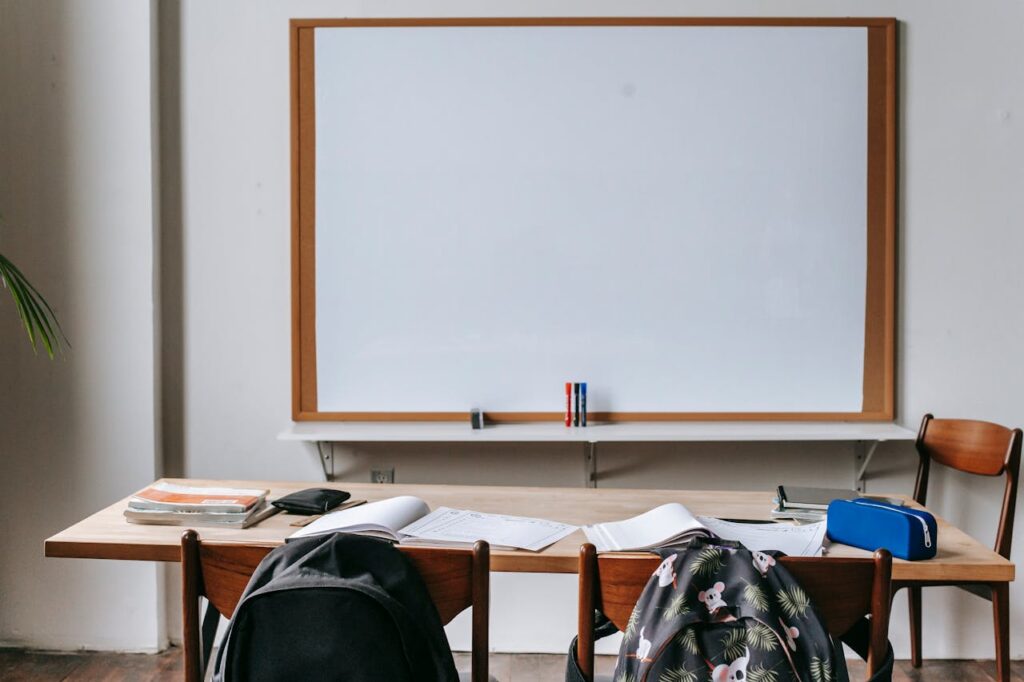
When I started teaching, classroom decor was one of those “I’ll figure it out the day before school starts” kind of things.
I’d throw up a few posters, arrange some desks, maybe find a cute quote for the bulletin board – and call it good.
I didn’t think too much about how the room felt to students.
I was focused on content, pacing guides, behavior plans… you know, all the stuff that feels more urgent.
But over time, I started to notice something.
Some classroom setups made my students feel calm and ready.
Others?
Distracted.
Overstimulated.
Disconnected.
Turns out, the look and layout of a classroom can shape so much more than we think.
Here’s how classroom decor impacts learning – backed by research, classroom experience, and a whole lot of trial and error.
Already know that you’re looking for classroom decor?
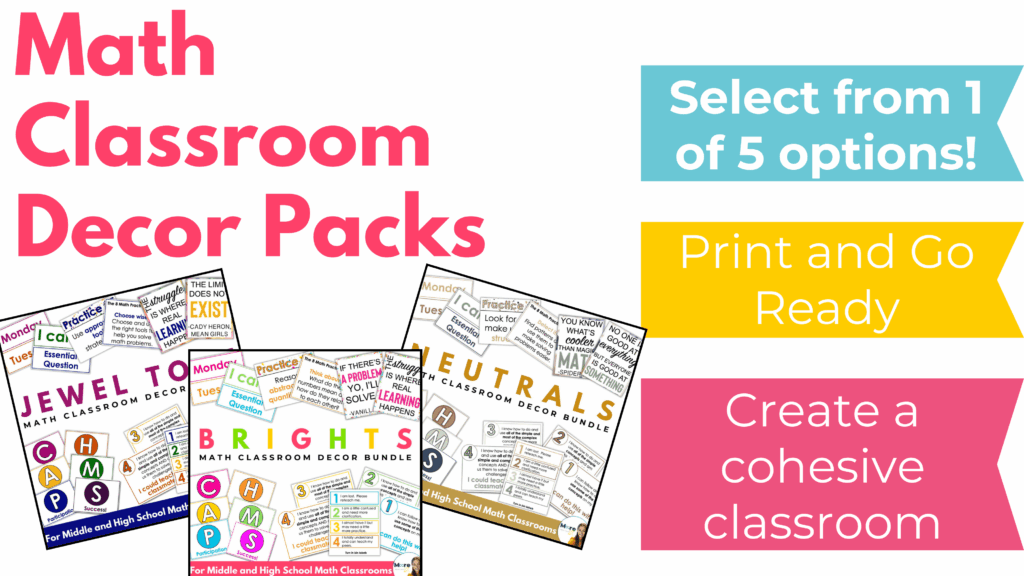
➡️ Click here to learn more about my Math Classroom Decor Packs.
About Kristen and Moore Than X
I’m a high school math teacher who’s passionate about project-based learning, and making math relevant for students.
You can learn more about me and Moore Than X here.
1. Classroom design affects how students feel, and how well they perform.
As teachers, we talk a lot about creating safe, welcoming spaces.
But research backs it up: classroom environments impact student achievement.
A large-scale UK study (Barrett et al., 2015) found that well-designed classrooms accounted for a 16% improvement in academic progress over the course of a year.
Lighting, color, layout, and even wall displays were all part of the equation.
Students notice what’s on the walls.
What colors surround them.
How the room is arranged.
And those small choices?
They can either help students feel safe and focused – or overwhelmed and disconnected.
2. Visual clutter leads to mental clutter.
Ever tried to focus in a room that’s full of stuff?
Our students feel the same.
When the walls are overloaded with charts, posters, reminders, and color everywhere, it can be hard for students – especially those with ADHD or sensory sensitivities – to concentrate.
A 2014 study from Carnegie Mellon found that kindergarteners in classrooms with excessive visual displays were more likely to be off-task and had lower test scores than those in less-decorated rooms.
That doesn’t mean your classroom has to be blank or sterile. But every piece of decor should earn its space.
Less “Pinterest-perfect,” more “what helps students focus?”
3. Representation on the walls matters.
Students are always scanning the room, even when we don’t think they’re paying attention.
What they see matters.
When students see themselves, their identities, and their experiences reflected in the classroom environment, it sends a powerful message: you belong here.
It doesn’t take much, either.
Intentional classroom decor can be a quiet, consistent way to build connection and trust.
4. Classroom layout changes how students interact.
Decor isn’t just about what’s on the walls.
It’s about how the whole space functions.
Where students sit.
How they move around the space.
What they can access without asking.
A layout that supports collaboration, movement, and autonomy changes how students behave.
And as an added benefit, these build inherent systems that support teachers with classroom and behavior management.
Here are some simple shifts to try:
- Try shifting desks into pods for group projects
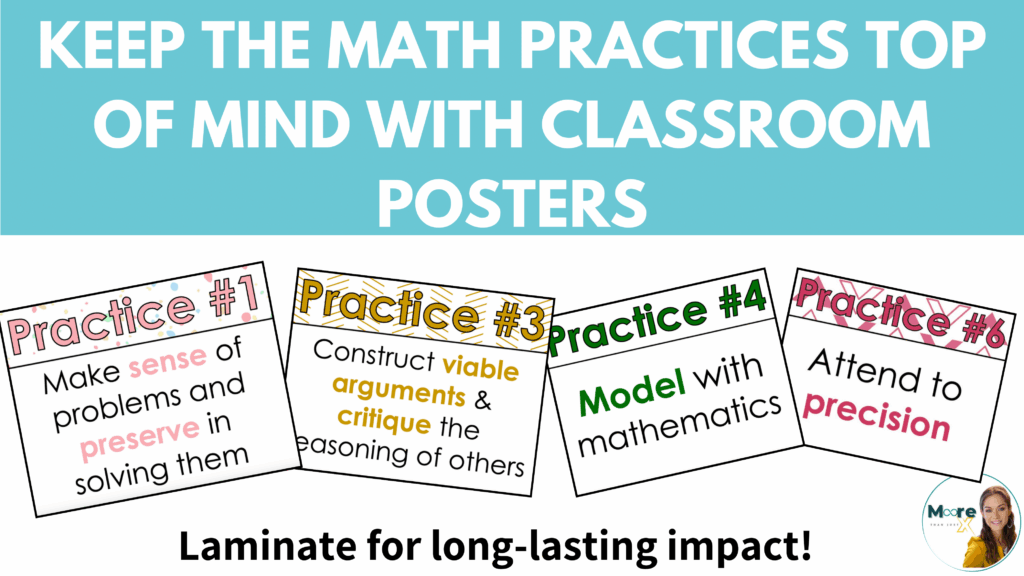
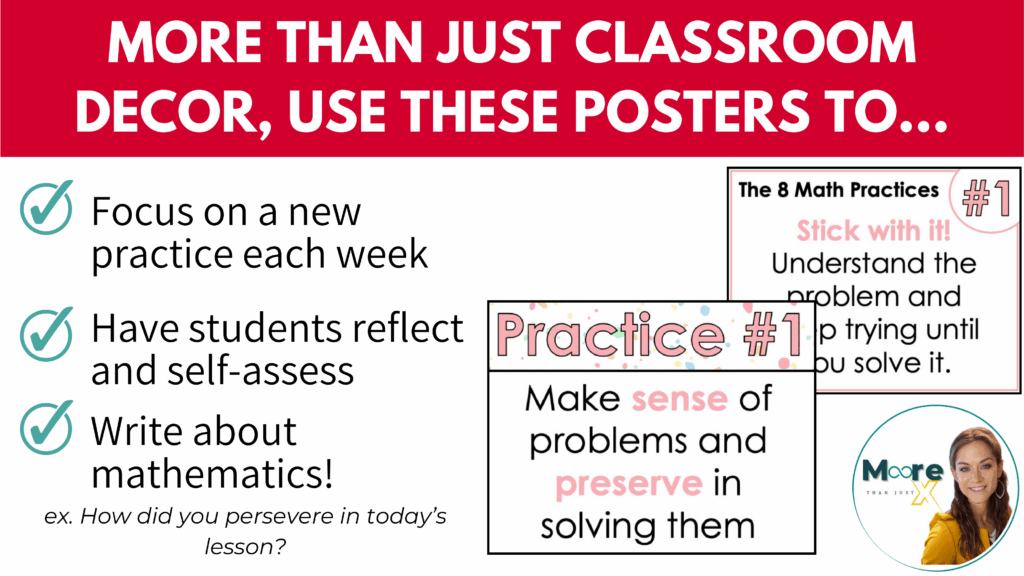
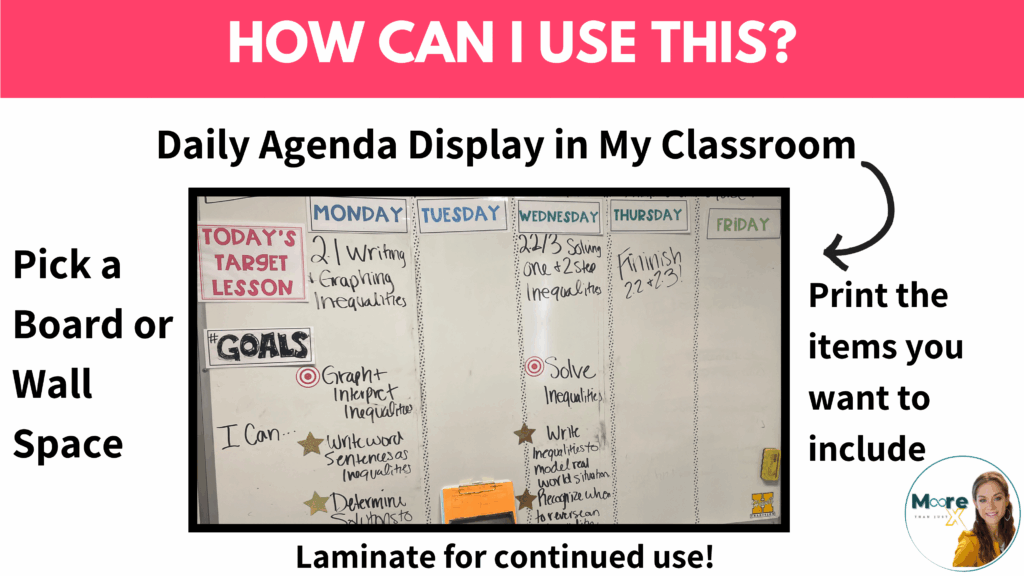
- Use wall space for anchor charts students actually refer to
- Create calm zones or reset spaces that help with emotional regulation
- Have a designated place where students can get pencils or other materials without asking
- Arrange designated spaces for homework turn-in
If students have to ask you for a pencil every time, they’ll disengage before they even start.
5. Wall space is prime real estate.
A lot of classrooms have posters and anchor charts… but how often do students use them?
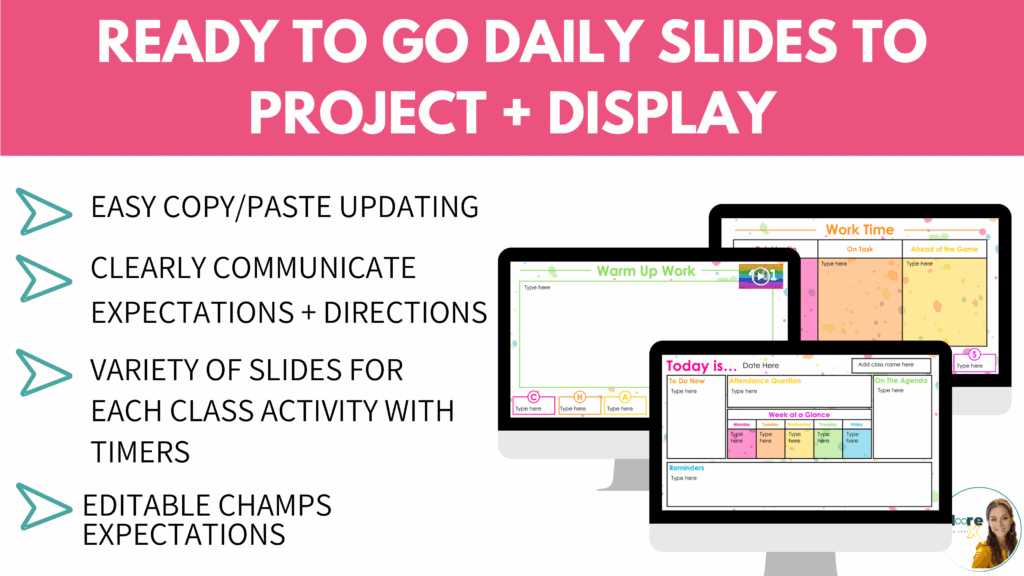
When we treat wall space as an extension of instruction – not just decoration – it becomes a tool to aid students in thinking.
Whiteboard space for group work.
Sentence stems for math discourse.
Word walls that evolve with each unit.
Reference charts that reflect what students are currently learning – not what we printed two years ago.
You can even have your students work with you to build anchor charts that will live on the walls for the rest of the year.
So audit your classroom – are you using your wall space as well as you could be?
If not, that’s okay! This next school year, semester, or month is a chance for you to try something different.
Start With Done For You Classroom Decor
If decorating isn’t really your thing, I’ve got you covered.
My Math Classroom Decor Packs are a great way to decorate your classroom while also making the space more functional for you and your students.
➡️ Click here to get my Math Classroom Decor Packs on TeachersPayTeachers